These days, people are smart. They know which packaging harms the environment and which doesn’t, and they naturally choose brands that use high-quality eco-friendly materials. For small businesses, this makes Sustainable Food Packaging 2026 more than just a trend—it’s becoming a key part of the product itself.
Small businesses, startups, or even older companies can’t ignore this. Making the switch to sustainable packaging isn’t just about looking good it’s about showing your customers that you care.
Why Choosing Sustainable Packaging Matters
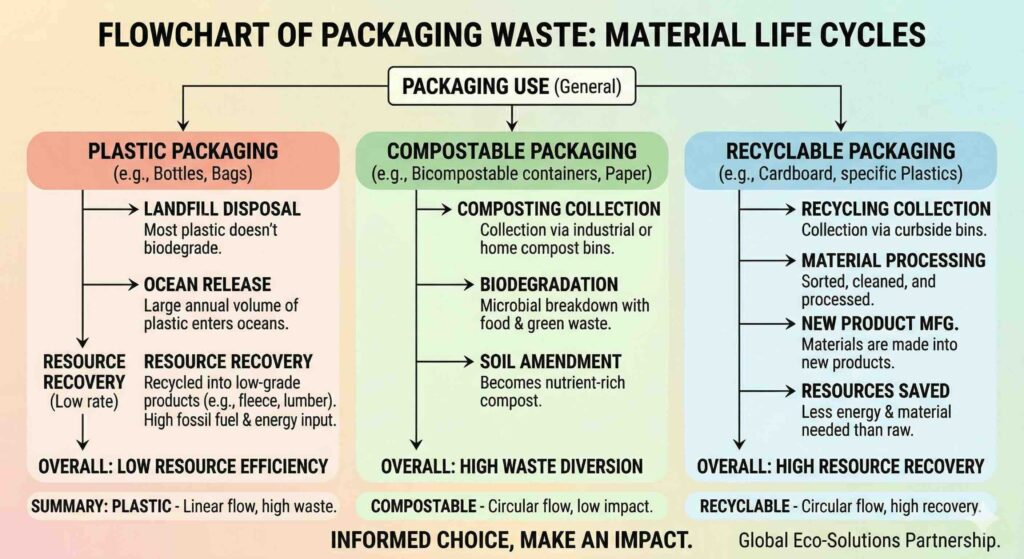
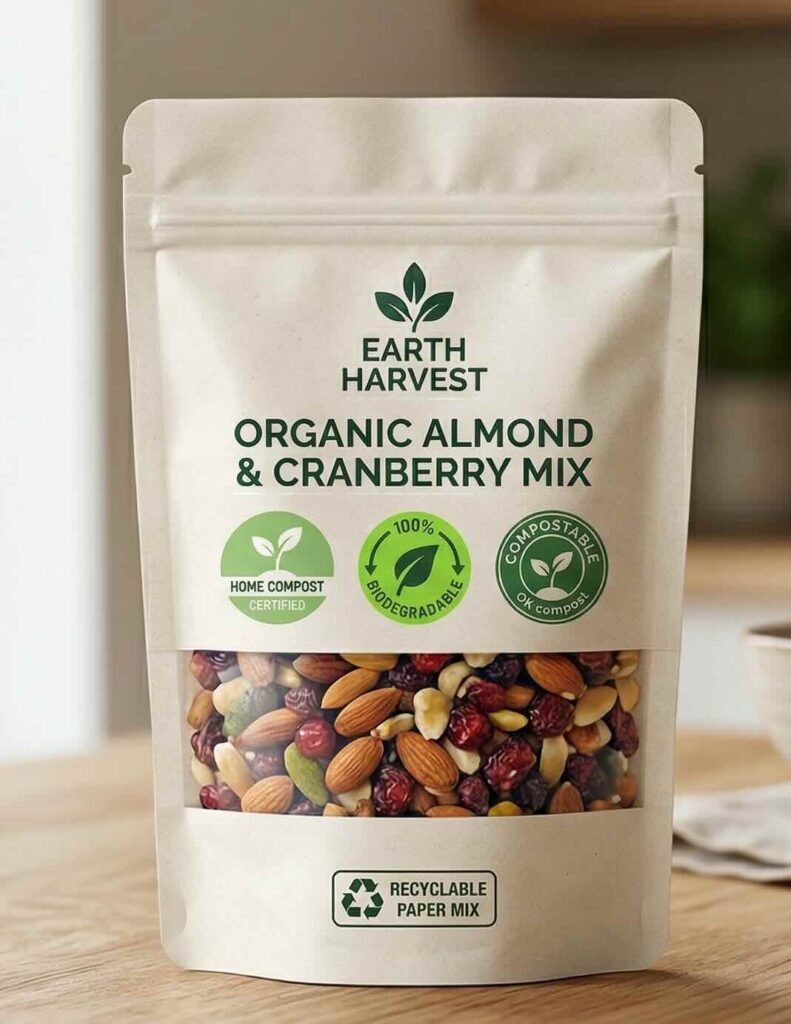
Customers notice the little things. A product with clear labeling on its eco-friendly pouch, instructions on composting, or recyclable materials gives trust instantly. On the other hand, generic plastic wraps or unmarked pouches tell them nothing.
Sustainable packaging helps small businesses in a few ways:
- Makes your brand look responsible
- Reduces environmental impact
- Keeps customers coming back
Even official organizations note this shift. According to Sustainable Packaging Coalition , people are actively choosing products with clear, responsible packaging.
Things to Think About When Picking Your Packaging
Top Sustainable Packaging Materials for 2026
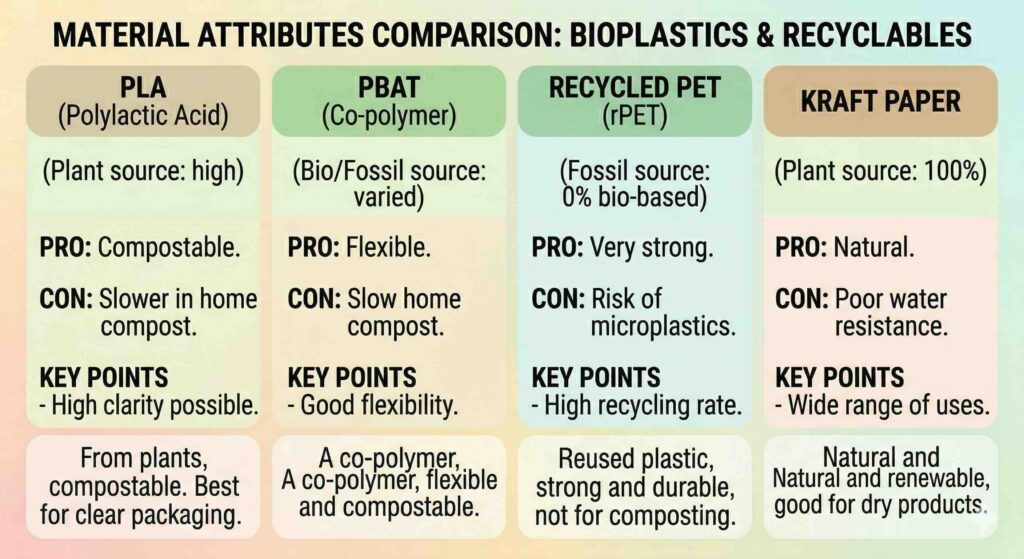
Small businesses in 2026 have more sustainable packaging options than ever, and choosing the right material is key to balancing functionality, cost, and eco-friendliness. Consumers are increasingly aware of packaging impact, so using certified materials is no longer optional it’s part of your brand story.
Here are the top materials small businesses are using for sustainable pouches 2026:
- PLA (Polylactic Acid): Plant-based and compostable, PLA is ideal for food-safe packaging. It keeps products fresh while reducing plastic waste.
- PBAT: Often blended with PLA, PBAT gives flexibility to pouches while maintaining compostability, making it perfect for stand-up zipper bags.
- Recycled PET: Strong and fully recyclable, recycled PET works well for pouches and rigid containers where durability is important.
- Kraft Paper: Biodegradable and recyclable, kraft paper is excellent for dry goods and adds a natural, eco-friendly look to your product.
Small businesses are increasingly turning to certified stand-up pouches that combine PLA and PBAT for a balance of shelf-life and compostability. These pouches allow brands to maintain product freshness, meet sustainability goals, and clearly communicate disposal instructions to customers. For example, sustainable stand-up pouches with zippers can elevate your packaging while keeping it environmentally responsible.
Biodegradable vs Compostable
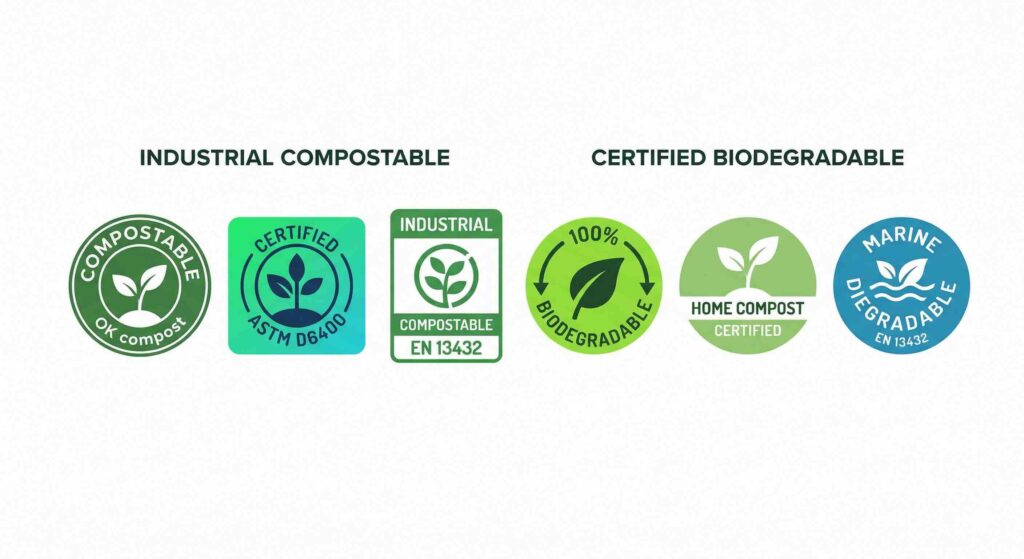
Not all “eco” options are the same. Biodegradable packaging breaks down over time, but compostable packaging meets strict standards to fully decompose in industrial compost facilities.
Look for certifications like:
- ASTM D6400 (USA)
- EN 13432 (Europe)
This makes it easier for your customers to know how to dispose of the packaging responsibly.
Functionality Matters Too
Eco-friendly doesn’t mean inconvenient. Resealable pouches, transparent windows, or barrier options can keep your product fresh without adding unnecessary waste.
For example, BioPouches’ stand-up zipper pouches give durability, resealability, and sustainability all in one. Customers notice when packaging actually works for them.
Cost & Supplier Considerations
Sustainable packaging is no longer “crazy expensive.” Small businesses just need to plan smart:
- Check supplier reliability
- Compare minimum order quantities
- Balance cost vs quality
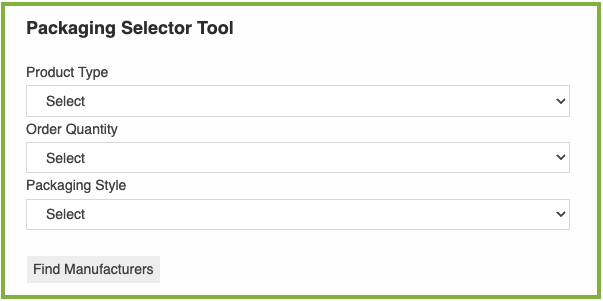
To make this easier, try this packaging selector tool to see which options fit your business.
Innovative Trends in Sustainable Food Packaging (2026)
The packaging world is moving fast, and a few trends are shaping 2026:
- Compostable Films: Replacing single-use plastics across many categories.
- Post-Consumer Recycled Materials: Closed-loop solutions are finally affordable for small businesses.
- Edible Packaging: Still niche, but gaining attention in cafés and bakeries.
- Clear Disposal Instructions: Brands that guide customers win trust.
Want to see these trends in action? Check out trade shows like:
- World of Coffee (SCA), April 10–12, 2026, San Diego – Booth 1048
- Vietnam International Café Show 2026, April 16–18 – Booth G13
Implementing Sustainable Packaging for Small Businesses
Switching to sustainable packaging doesn’t have to be overwhelming. Start small and grow:
- Check what you’re using now – what can be swapped for a sustainable option?
- Pick materials wisely – certified compostable, recyclable, or plant-based.
- Test & market – tell customers why your packaging matters.
- Monitor & adjust – see how your changes affect feedback, sales, and waste reduction.
Even changing one product line can make a noticeable difference.
Why It’s Worth It
- Brand trust: Customers prefer businesses that care.
- Compliance: Regulations are catching up fast; get ahead now.
- Customer loyalty: Eco-conscious buyers stick around.
Final Thoughts
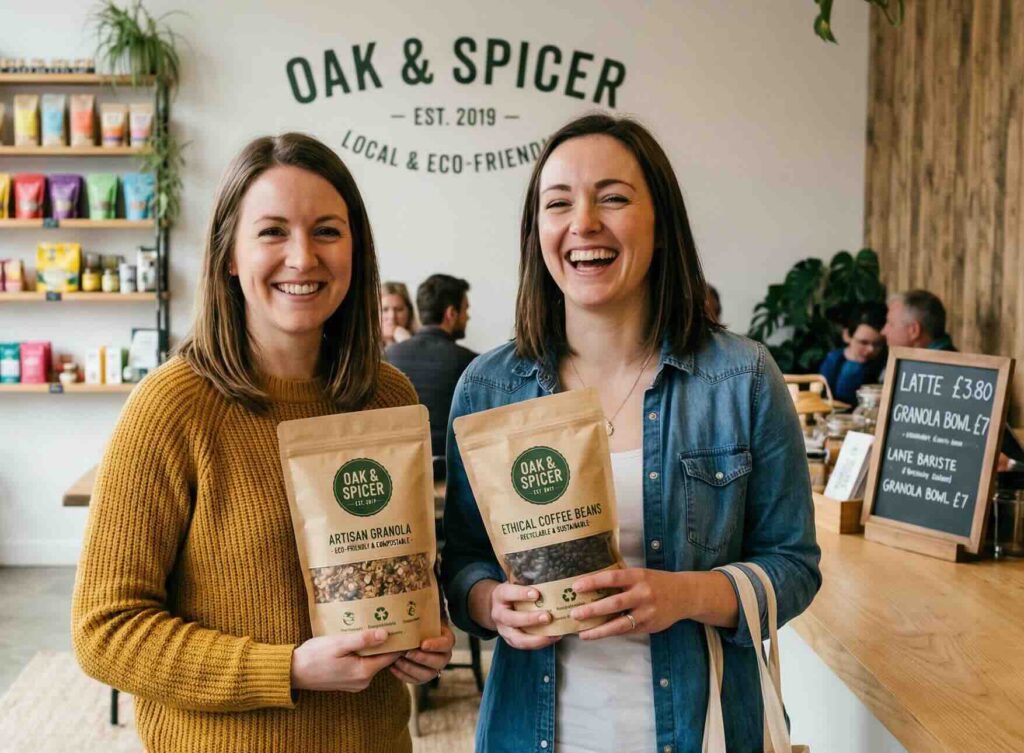
In 2026, packaging is part of your product story. When you use sustainable materials, show how to dispose of them, and make packaging functional, you’re giving customers another reason to buy from you—and keep coming back.