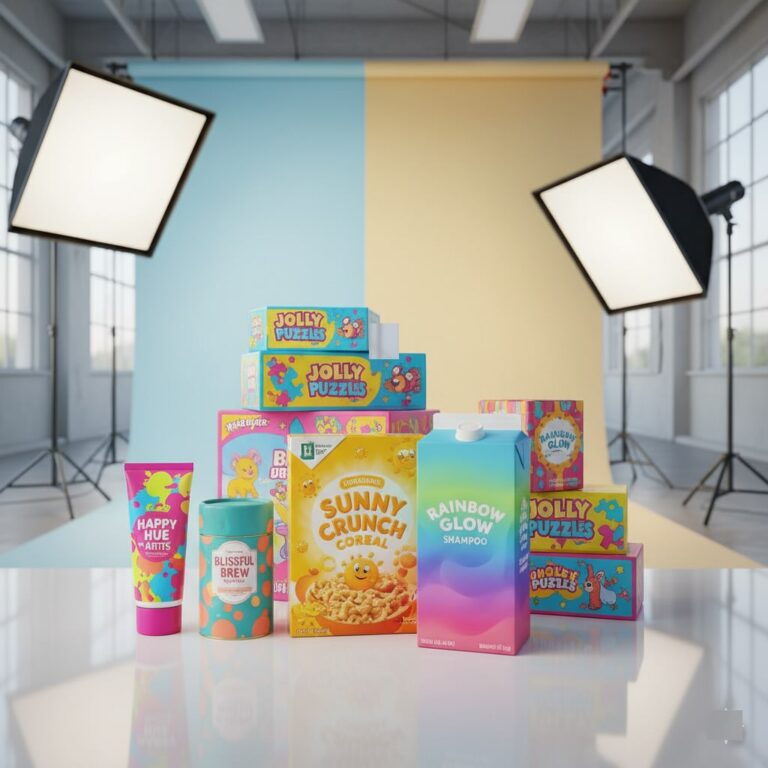
1. Packaging Challenges Faced by Small Businesses
Small businesses don’t have a big budget to experiment with packaging. If the packaging doesn’t suit the product or customers don’t like it, it can directly affect sales. That’s why small businesses need to think carefully before finalising packaging and should always choose the right manufacturer.
Most small businesses work with low order volumes because sales are still growing. Due to this, not every packaging manufacturer accepts small quantities. This is where small or mid-size manufacturers with good quality and low MOQ become a better option.
Storage is another issue. Many small businesses don’t have large warehouses, so storing bulk packaging is not always possible. Because of this, choosing a packaging supplier who can deliver in smaller batches becomes important.
Packaging also plays a big role in how professional a brand looks. Small businesses are usually not well known, so packaging helps create trust. The look, touch, and feel of the pack matter a lot. Good packaging leaves a strong first impression and can really help boost sales for a new or growing business.
2. Choosing the Right Packaging Format for Your Product
Choosing the right packaging for the right product is very important. You can’t randomly use any packaging format. For example, powdered products won’t work in a spouted pouch, and liquids won’t work in paper pouches. Packaging should match the product type.
This is where our website helps small businesses choose suitable packaging formats in just a few minutes, without confusion or guesswork.
For small businesses, the most common packaging options come from manufacturers who accept low MOQ and offer reasonable pricing. This decision matters, but you don’t need to worry because we list only verified and trusted packaging manufacturers.
Material choice and printing or embossing are two different things, but both connect with your brand image. The key is to balance product safety with how your packaging looks, without overspending.
3. Material Selection & Barrier Requirements
Material matters more than design because it keeps your product fresh and safe on the shelf. The right material protects the product from moisture, light, pressure, and other outside factors.
To control cost, avoid adding features your product doesn’t really need. Only keep what is required. These days, bio pouches and compostable materials are popular, but for small businesses, cost still matters a lot.
To keep expenses low without compromising quality, it’s better to work with small manufacturers who offer good material, low MOQ, and fair pricing.
4. Cost, MOQ & Budget Planning for Small Businesses

Packaging cost mainly depends on material type, size, printing method, and order quantity. MOQ directly affects pricing and cash flow. The general rule is simple: higher quantity usually means lower cost per piece.
Still, small businesses shouldn’t order everything at once. Instead of buying 50,000 pieces in one go, start small. Order 10,000 pieces first from a trusted manufacturer. If the quality and pricing work for you, then place the remaining order later.
To make this planning easier, you can use our Cost & MOQ Estimator Tool to get a rough idea before placing an order.
5. Using Tools to Simplify Packaging Decisions

Structured decision-making saves money and avoids mistakes. Always contact at least three packaging companies, compare their prices and MOQ, and ask for samples. Most manufacturers already have ready samples they can send.
Packaging tools help reduce confusion and cost. If you’re not sure which supplier to choose, our platform helps small businesses find suitable packaging in minutes. Instead of searching one by one, you can compare manufacturers in one place and contact them directly.
Sometimes standard packaging works better than custom packaging. Ready-made packaging is usually cheaper and faster. You can move to custom packaging later when the business grows.
For easy searching and direct contact, you can use our Packaging Selector Tool to visit manufacturer pages and get details in one place.
6. Scaling Packaging as Your Business Grows
When your business starts getting steady orders, it’s a good time to move from stock packaging to custom packaging. Start by asking for samples, try ready stock first, and then move to custom once you’re confident.
As volumes increase, you can also improve materials and printing. Many customers care about the environment now, so switching to eco-friendly materials can leave a good impression. Mentioning the material type on the packaging shows that your brand is responsible.
Some manufacturers also offer eco-friendly printing options like soy-based inks. These small details help build trust with customers.
Consistency is important as your product range grows. Using similar packaging styles, colours, and materials helps customers recognise your brand easily.
Closing Direction
Packaging is not just a cost; it’s a business decision that affects sales, storage, and brand trust. Choosing the right packaging early can save money and problems later.
To make things easier, explore our tools, browse verified manufacturers, or request quotes directly through the platform and choose packaging that fits your business today and tomorrow.