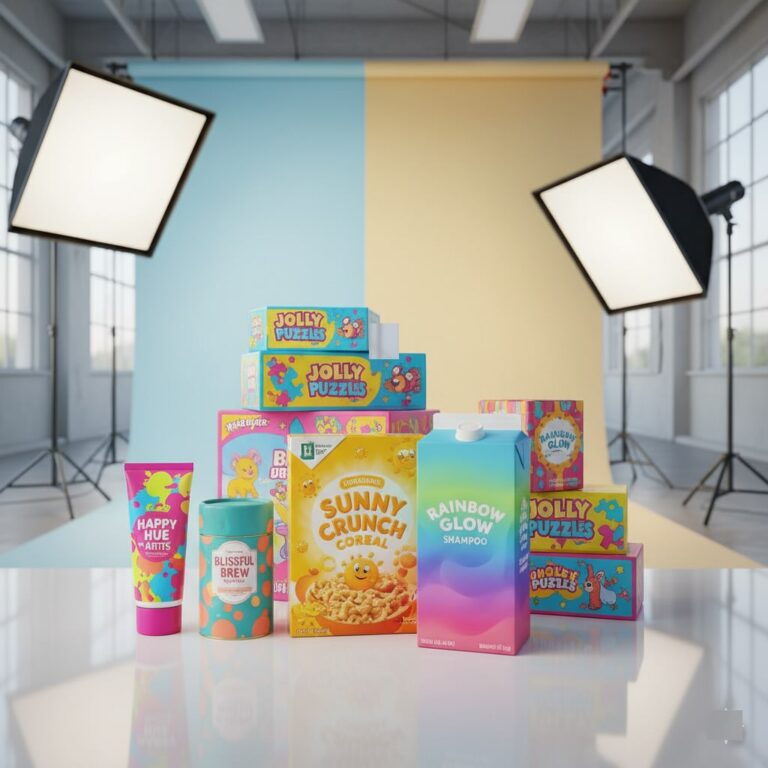
Looking back at packaging in 1995 feels like stepping into a different world. Products were still protected, shipped, and sold effectively, but the priorities were very different from what we see today. Sustainability was rarely part of the conversation, and convenience often mattered more than long-term impact.
Understanding how packaging worked in 1995 helps explain why the industry has changed so much—and why some challenges still exist.
1. Materials Were Chosen for Cost and Strength
In 1995, packaging materials were picked mainly for price and durability. Plastic was widely used because it was cheap, flexible, and easy to produce at scale. Virgin plastic dominated shelves, from food packaging to household goods.
Paper and cardboard were common too, especially for boxes and outer packaging. Recycling existed, but it wasn’t a major factor in design decisions. Most packaging wasn’t labeled for recycling, and consumers weren’t encouraged to think about disposal.
At the time, the focus was simple: protect the product and keep costs down.
2. Convenience Mattered More Than Waste
Packaging in 1995 was designed to make life easier, but not necessarily cleaner. Single-use packaging was normal, and large portions were often broken into multiple layers for protection or appearance.
Resealable packaging was less common. Many bags were tear-open only, which meant once a product was opened, storage became a problem. Consumers often used clips, containers, or rubber bands to keep food fresh.
Waste wasn’t ignored, but it wasn’t front and center either. Most people didn’t think twice about throwing packaging away after use.
3. Branding Was Loud and Visual
Shelves in 1995 were packed with bright colors, bold fonts, and busy designs. Packaging relied heavily on visuals to catch attention because online shopping didn’t exist in the way it does today.
Product information was often limited. Nutrition labels existed, but packaging didn’t focus as much on transparency or sourcing. Claims like “natural” or “eco-friendly” were rare and loosely defined.
Packaging was meant to stand out fast, not explain itself.
4. Supply Chains Were Simpler
In 1995, supply chains were more local and predictable. Many products were made, packed, and sold within the same region. This meant packaging didn’t always need to handle long shipping times or extreme handling.
E-commerce wasn’t part of the picture, so packaging wasn’t tested for parcel shipping, stacking in warehouses, or doorstep delivery. Most packaging was designed for pallets, trucks, and store shelves.
This simplicity allowed brands to use thinner materials without worrying as much about damage during transit.
5. How 1995 Shaped Packaging Today
The packaging choices made in 1995 played a big role in shaping today’s challenges. Heavy use of virgin plastic and single-use designs led to growing waste concerns in the years that followed.
As awareness grew, consumers started asking more questions. Regulations tightened, recycling improved, and brands began rethinking materials and design. Features we now expect—like resealable closures, clear labeling, and sustainable material options—developed in response to what was missing back then.
Packaging today is more thoughtful because the industry learned from the limits of past practices.
Final Thoughts
Packaging in 1995 did its job, but it reflected the priorities of its time. Cost, speed, and convenience came first. Sustainability, transparency, and long-term impact came later.
Looking back helps explain why today’s packaging focuses more on balance—protecting products while reducing waste and improving everyday use. The industry didn’t change overnight, but each step forward builds on lessons learned from the past.